Toilet Biosensors AI Detection Guide for Athletes
How AI detects patterns in toilet biosensors, why explainability matters and what athletes should expect from smart-toilet insights.
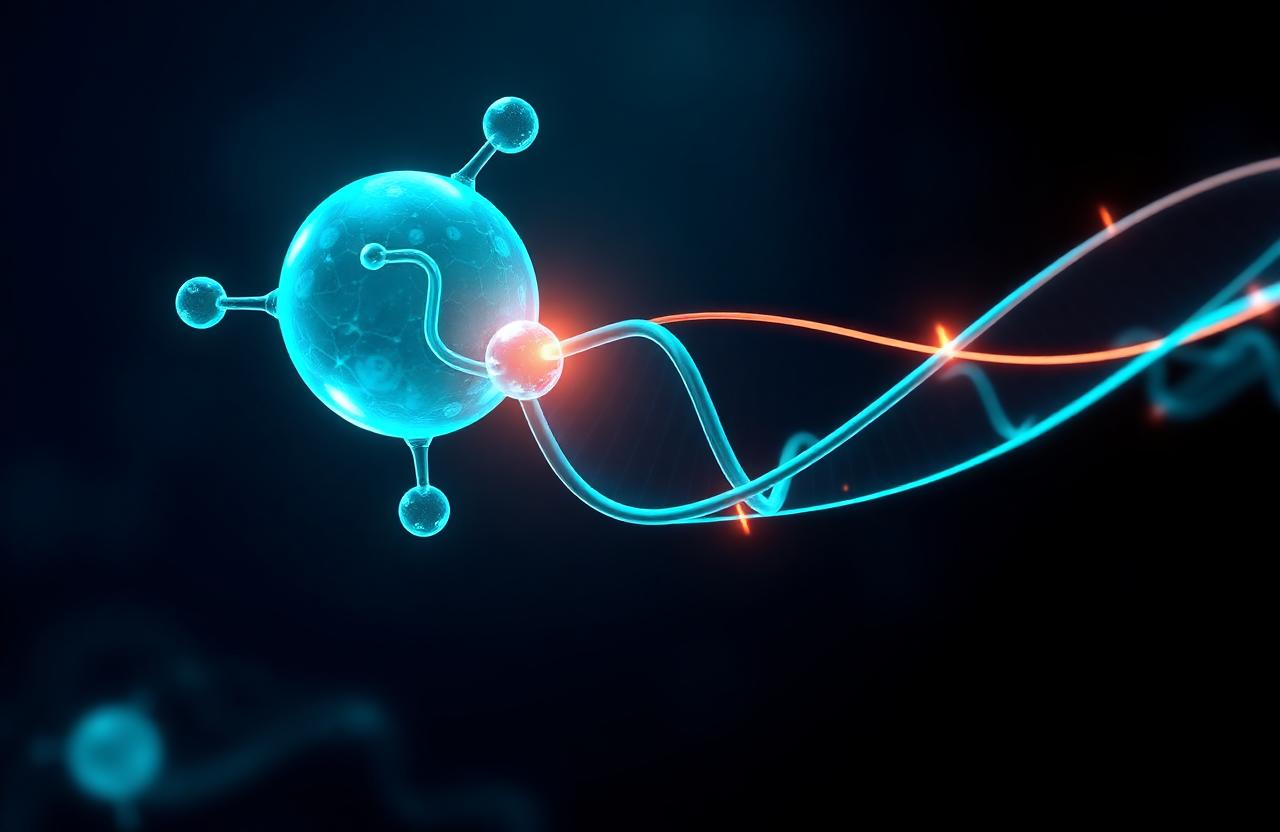
Biosensors turn a bowl into an instrument, reading chemistry and imagery in controlled conditions.
What AI actually detects
The model looks for structure in optical imaging of each event, electrochemical chemistry cues and automatic user recognition, not magic answers.
Why baselines matter
Sensor quality and calibration are what separate signal from noise. Detection should compare you with you, because population averages can miss personal changes.
- Optical imaging of each event
- Electrochemical chemistry cues
- Automatic user recognition
“Useful toilet biosensors data is not a single answer — it is a trusted trend, explained clearly enough to act on.”
Explainability makes it usable
Every AI output should show the contributing signals, confidence and time window, especially for athletes and coaches protecting performance and recovery.
False alarms and uncertainty
Good detection systems communicate uncertainty instead of pretending every change is definitive.
The goal
The goal is fewer blind spots between sessions and competitions: a better question to ask, a habit to adjust, or a reason to seek advice.