Bloating Best Monitoring Guide for Athletes
The best way for athletes to monitor bloating: what to track, what matters and how smart AI toilet data creates useful trends.
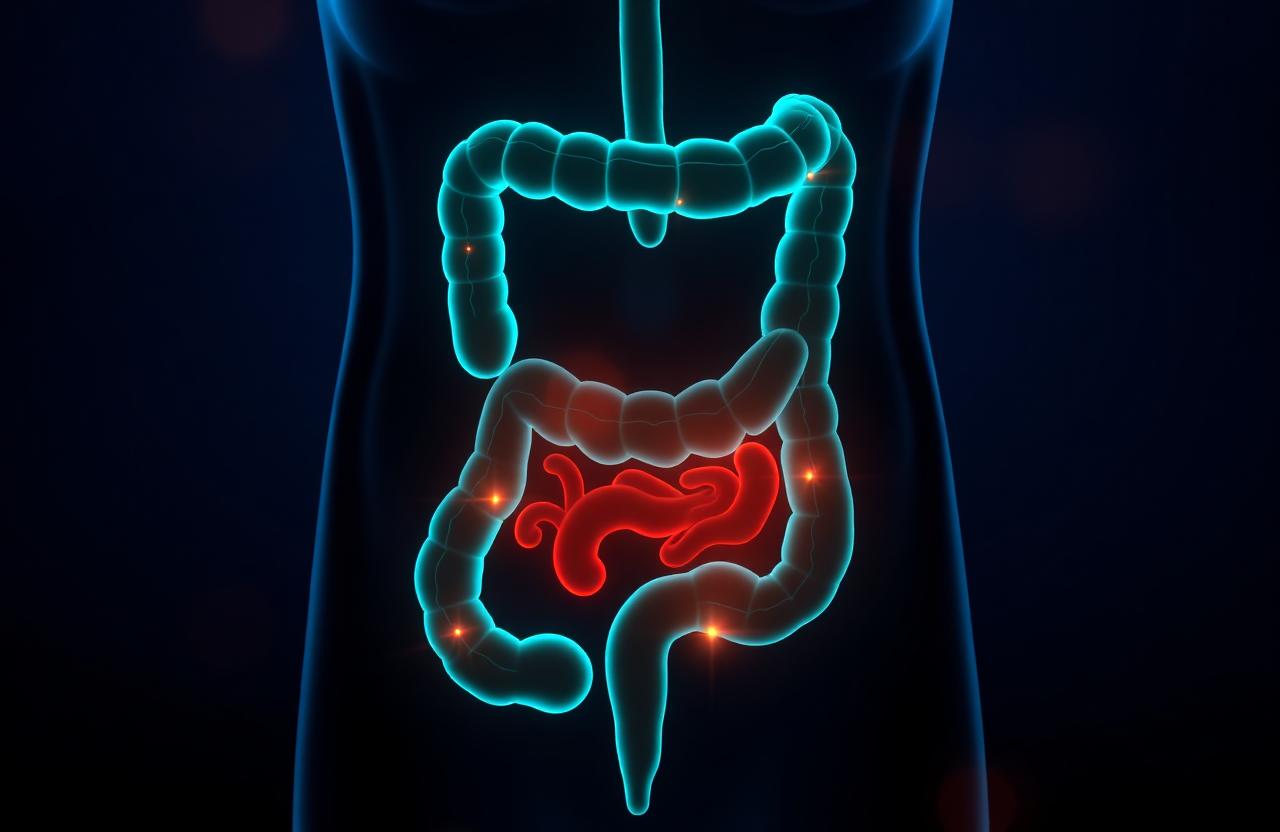
Bloating is common and uncomfortable, and it usually traces back to diet, motility or gas.
What best-in-class monitoring means
Bloating is common and uncomfortable, and it usually traces back to diet, motility or gas. For athletes and coaches protecting performance and recovery, the best monitoring system is the one that captures useful signals without adding friction.
The signals to prioritise
Start with regularity and stool form, response to specific foods and patterns during stressful weeks. Certain foods, eating pace and stress are frequent contributors.
- Regularity and stool form
- Response to specific foods
- Patterns during stressful weeks
“Useful bloating data is not a single answer — it is a trusted trend, explained clearly enough to act on.”
Why passive beats occasional
Objective trends replace guesswork about what actually sets it off. hydration, regularity and recovery context around training load is exactly where a smart AI toilet becomes valuable.
How to interpret the trend
Look for sustained movement away from your baseline, not one strange day. That turns bloating into fewer blind spots between sessions and competitions.
Where LUXOSMT fits
LUXOSMT combines calibrated capture, explainable AI and privacy-first reporting so bloating data is useful rather than overwhelming.