Bloating Biomarker Tracking Guide for Athletes
How biomarker-style tracking applies to bloating, from daily measurement to explainable trends for athletes.
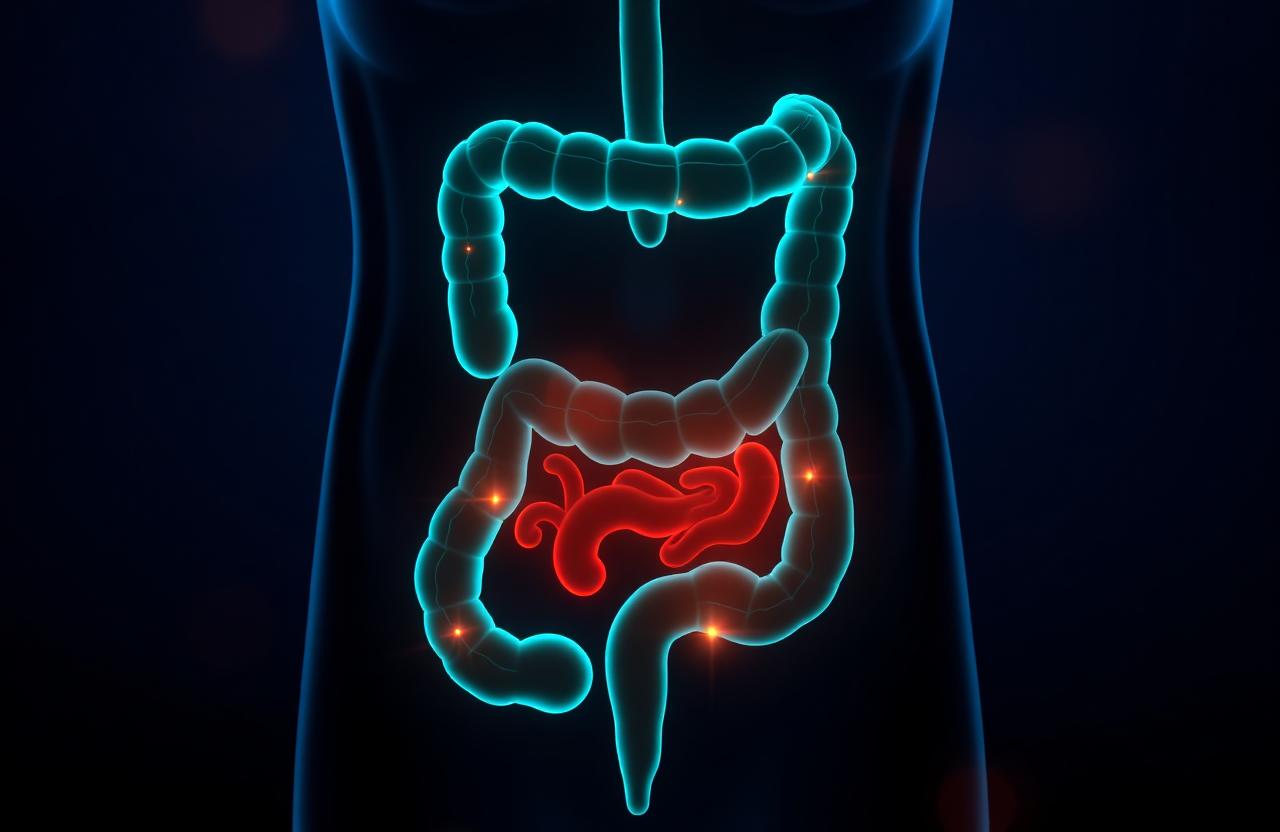
Bloating is common and uncomfortable, and it usually traces back to diet, motility or gas.
What counts as a biomarker
Bloating is common and uncomfortable, and it usually traces back to diet, motility or gas. In practice, a biomarker is useful when it is measurable, repeatable and connected to action.
Smart-toilet markers
LUXOSMT focuses on regularity and stool form, response to specific foods and patterns during stressful weeks, because those signals can be collected passively and compared over time.
- Regularity and stool form
- Response to specific foods
- Patterns during stressful weeks
“Useful bloating data is not a single answer — it is a trusted trend, explained clearly enough to act on.”
Frequency is the breakthrough
Bloating is non-specific, so patterns and triggers matter more than any single episode. hydration, regularity and recovery context around training load requires repeated measurement, not a single lab snapshot.
Making biomarkers understandable
Explainable AI should show which marker moved, over what time window, and why the change may matter.
Using the output well
The best result is fewer blind spots between sessions and competitions: clear context, not a diagnosis or a panic-inducing score.