Bloating Setup and Calibration Guide for Biohackers
How setup and calibration affect bloating monitoring accuracy in a smart AI toilet environment.
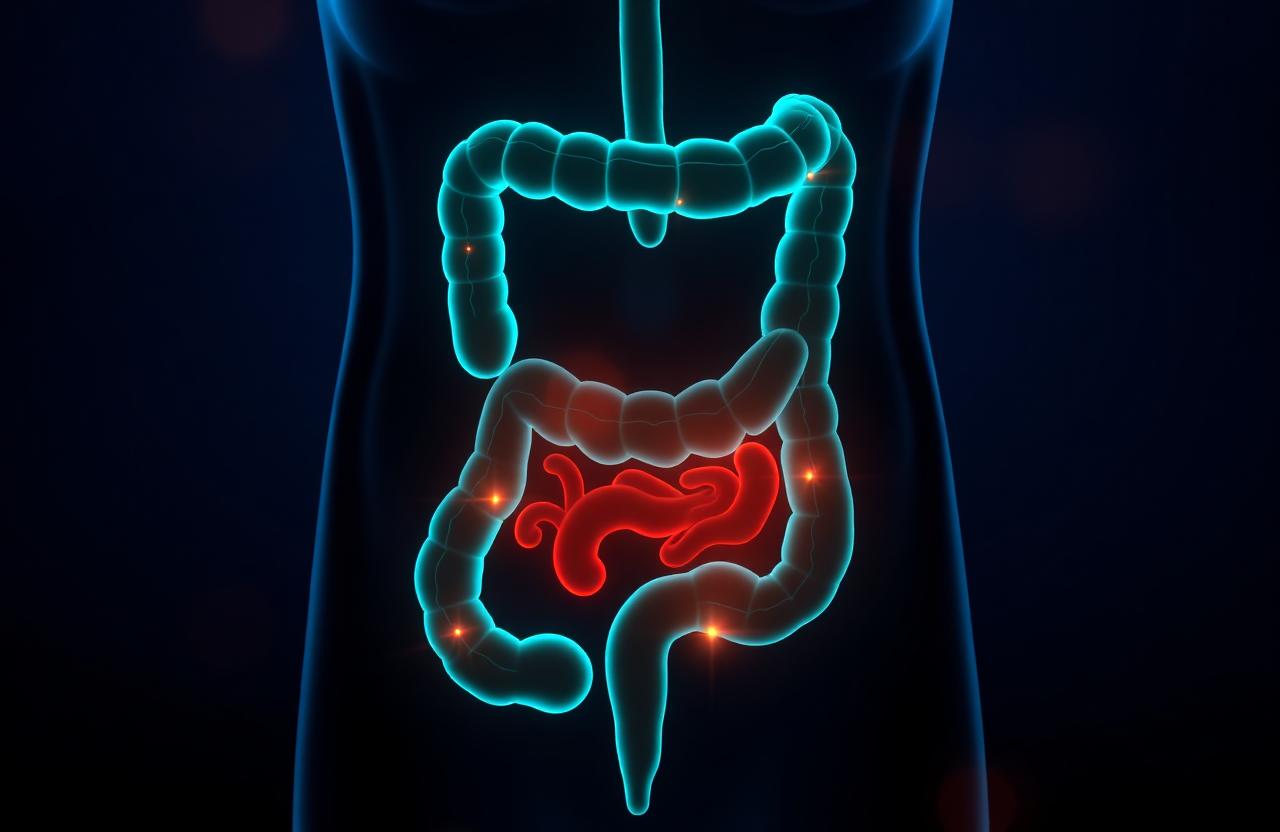
Bloating is common and uncomfortable, and it usually traces back to diet, motility or gas.
Why calibration matters
Bathroom health data is only useful when capture conditions are consistent. Calibration protects the signal.
What gets calibrated
Lighting, optical capture, sensor drift and user profiles all shape measurements of regularity and stool form and response to specific foods.
- Regularity and stool form
- Response to specific foods
- Patterns during stressful weeks
“Useful bloating data is not a single answer — it is a trusted trend, explained clearly enough to act on.”
The first baseline period
For the first weeks, the priority is learning what normal looks like for your body, schedule and household context.
Ongoing quality checks
A serious system should detect sensor drift and explain when confidence is lower than usual.
Why it matters for ${a.label}
frequent feedback loops tied to diet, sleep, training and recovery depends on consistent data that can be trusted over years, not just during setup.