Bloating Symptoms Checklist for Biohackers
A practical bloating symptoms checklist for biohackers, including what to watch, what to trend and when to seek advice.
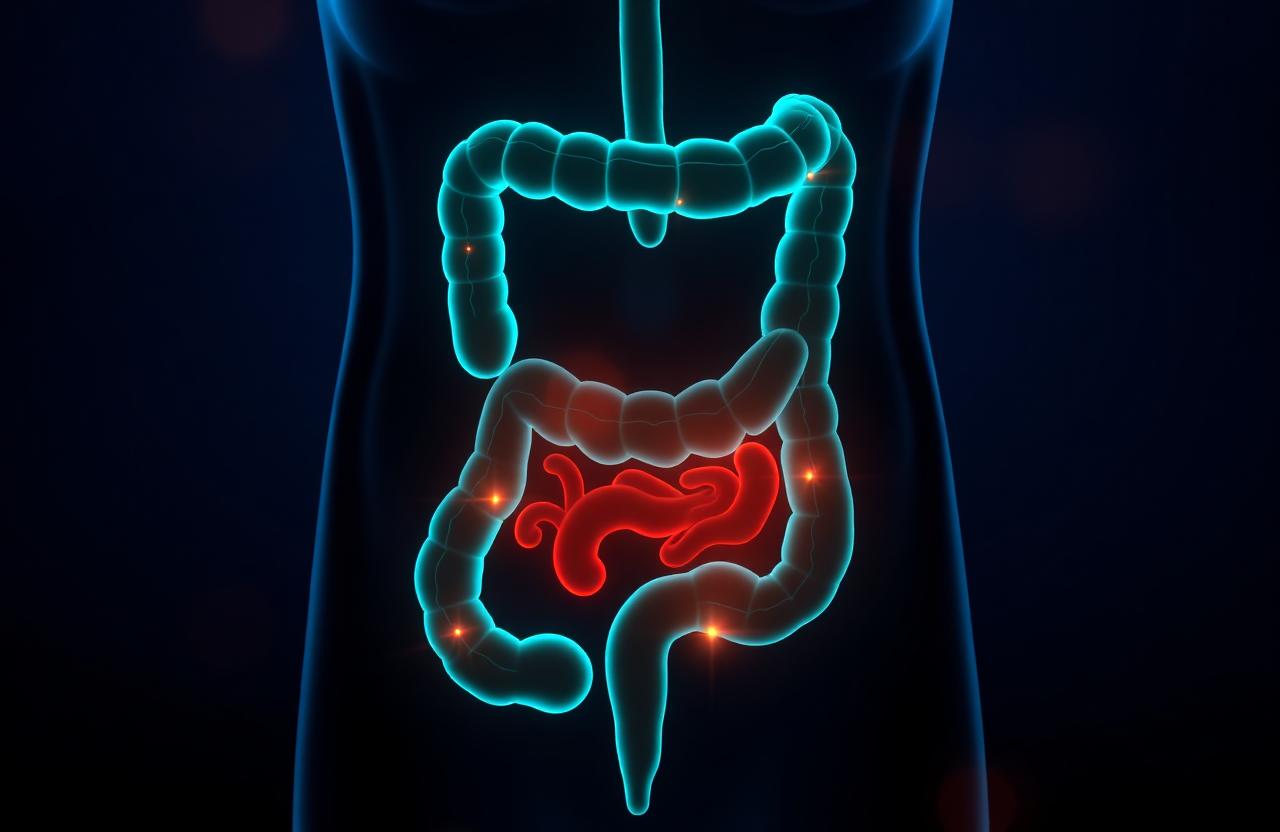
Bloating is common and uncomfortable, and it usually traces back to diet, motility or gas.
Start with the pattern
Bloating is non-specific, so patterns and triggers matter more than any single episode. A checklist is only useful when it separates repeated changes from one-off noise.
What belongs on the checklist
Track regularity and stool form, response to specific foods and patterns during stressful weeks, then annotate major changes in diet, sleep, stress or medication.
- Regularity and stool form
- Response to specific foods
- Patterns during stressful weeks
“Useful bloating data is not a single answer — it is a trusted trend, explained clearly enough to act on.”
What changes deserve attention
Persistent, unexplained deviation from baseline matters more than a single unusual reading, especially for quantified-self users optimising routines with data.
How data reduces anxiety
frequent feedback loops tied to diet, sleep, training and recovery turns vague worry into a clear sequence of observations that can be reviewed calmly.
When to escalate
If a trend persists, worsens or arrives with pain, bleeding, fever, weight loss or severe symptoms, professional care is the right next step.