Colorectal Health Best Monitoring Guide for Home Health
The best way for home health to monitor colorectal health: what to track, what matters and how smart AI toilet data creates useful trends.
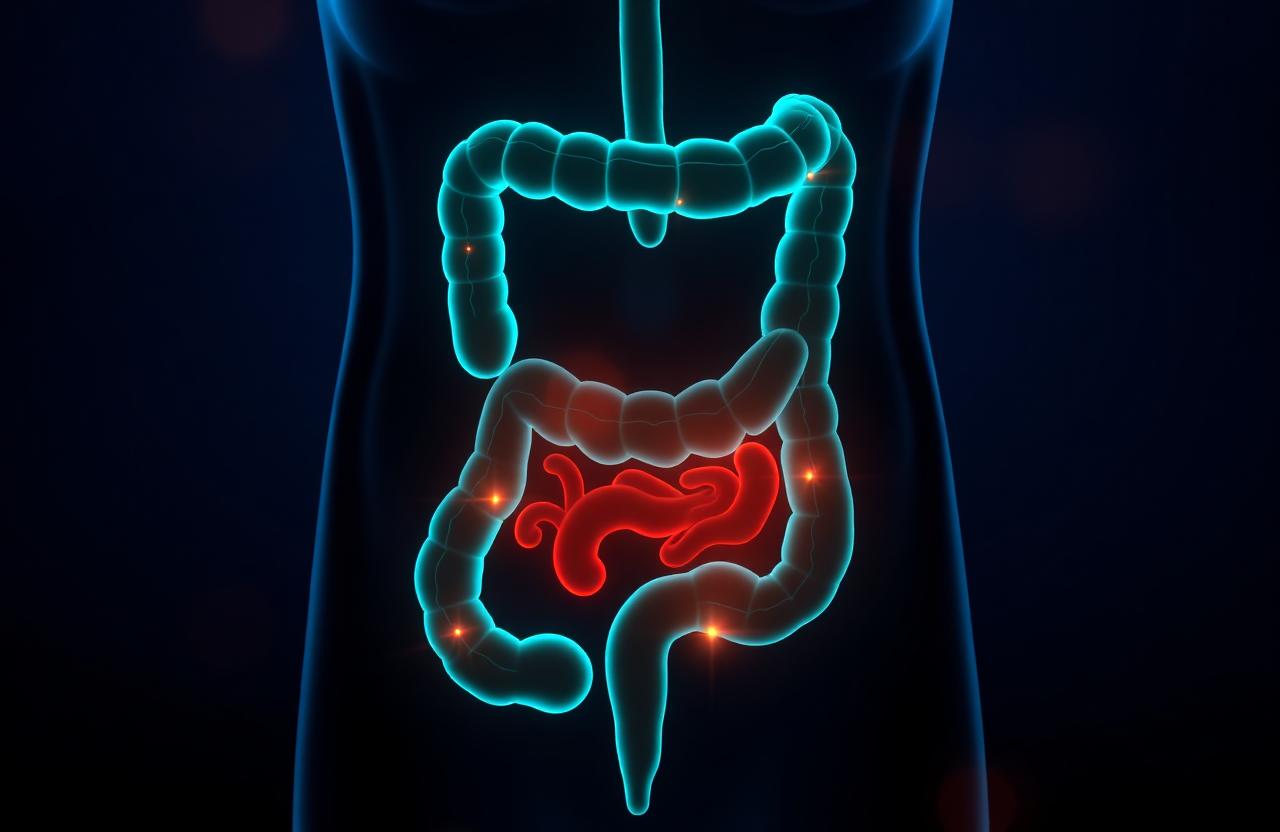
Colorectal health is reflected in stool form, rhythm, colour and persistent changes that should never rely on memory alone.
What best-in-class monitoring means
Colorectal health is reflected in stool form, rhythm, colour and persistent changes that should never rely on memory alone. For people building a reliable health record at home, the best monitoring system is the one that captures useful signals without adding friction.
The signals to prioritise
Start with stool form and colour trends, bowel frequency and regularity and persistent pattern changes over weeks. Stool form, colour and frequency provide practical day-to-day context for digestive and colorectal wellbeing.
- Stool form and colour trends
- Bowel frequency and regularity
- Persistent pattern changes over weeks
“Useful colorectal health data is not a single answer — it is a trusted trend, explained clearly enough to act on.”
Why passive beats occasional
Objective longitudinal tracking makes it easier to recognise when a new pattern deserves a clinician's attention. low-friction daily feedback without appointments or manual logs is exactly where a smart AI toilet becomes valuable.
How to interpret the trend
Look for sustained movement away from your baseline, not one strange day. That turns colorectal health into a clearer picture of what is normal and what is changing.
Where LUXOSMT fits
LUXOSMT combines calibrated capture, explainable AI and privacy-first reporting so colorectal health data is useful rather than overwhelming.