Digestive Health Accuracy and Limitations for Clinicians
A clear look at accuracy, limitations and responsible interpretation when using smart toilets to monitor digestive health.
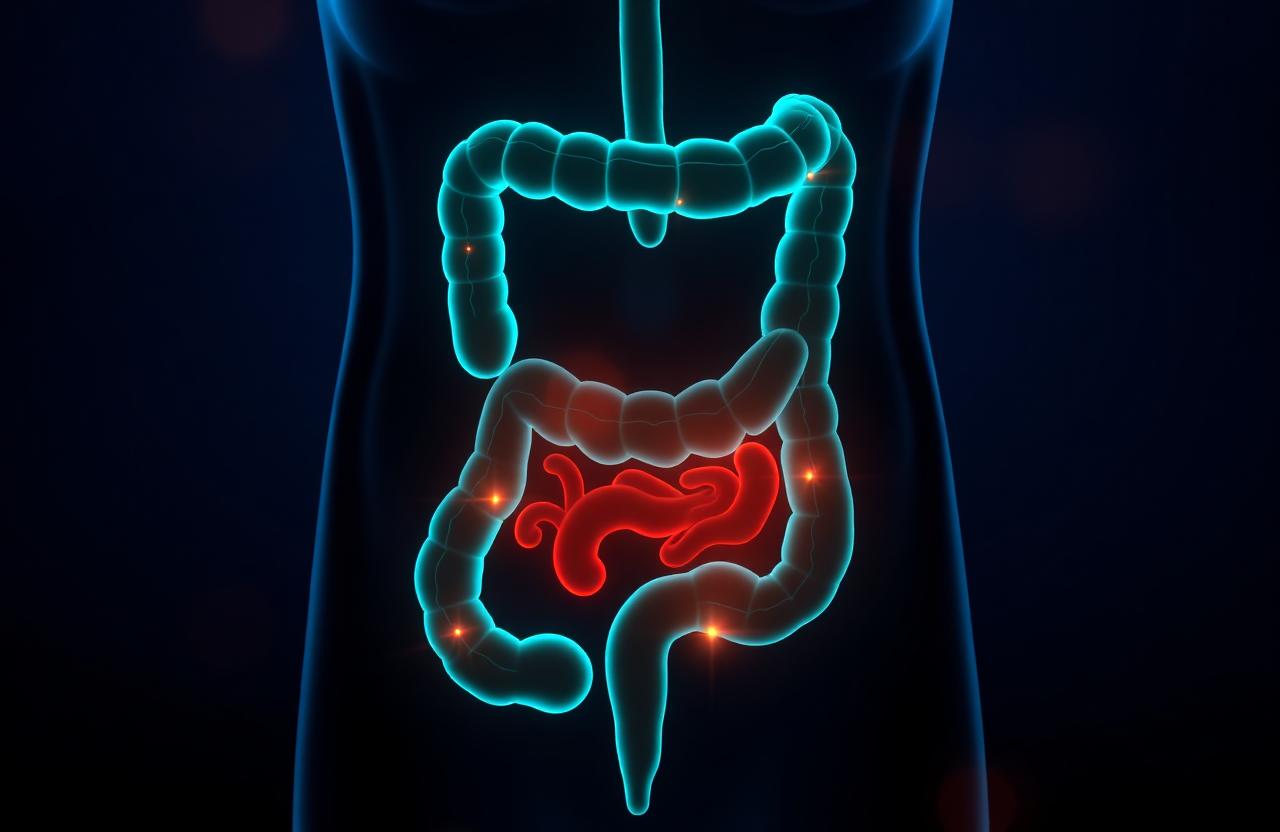
Digestive health underpins energy, immunity and comfort, yet it's usually tracked only from memory.
Accuracy starts with repeatability
The key question is whether stool form and frequency and regularity and transit cues are captured consistently enough to show reliable trends.
What smart monitoring does well
It excels at frequency, baselines and trend detection — the areas where annual snapshots are weakest.
- Stool form and frequency
- Regularity and transit cues
- Response to diet and stress
“Useful digestive health data is not a single answer — it is a trusted trend, explained clearly enough to act on.”
Where limits remain
It cannot diagnose on its own, cannot replace screening and should never delay urgent care.
How uncertainty should be shown
Responsible AI reports confidence, context and missing data rather than presenting every output as certain.
The right expectation
For clinicians evaluating passive monitoring data, the purpose is faster conversations grounded in objective trends, not an automated medical verdict.