Digestive Health AI Detection Guide for Preventive Health
How AI detects patterns in digestive health, why explainability matters and what preventive health should expect from smart-toilet insights.
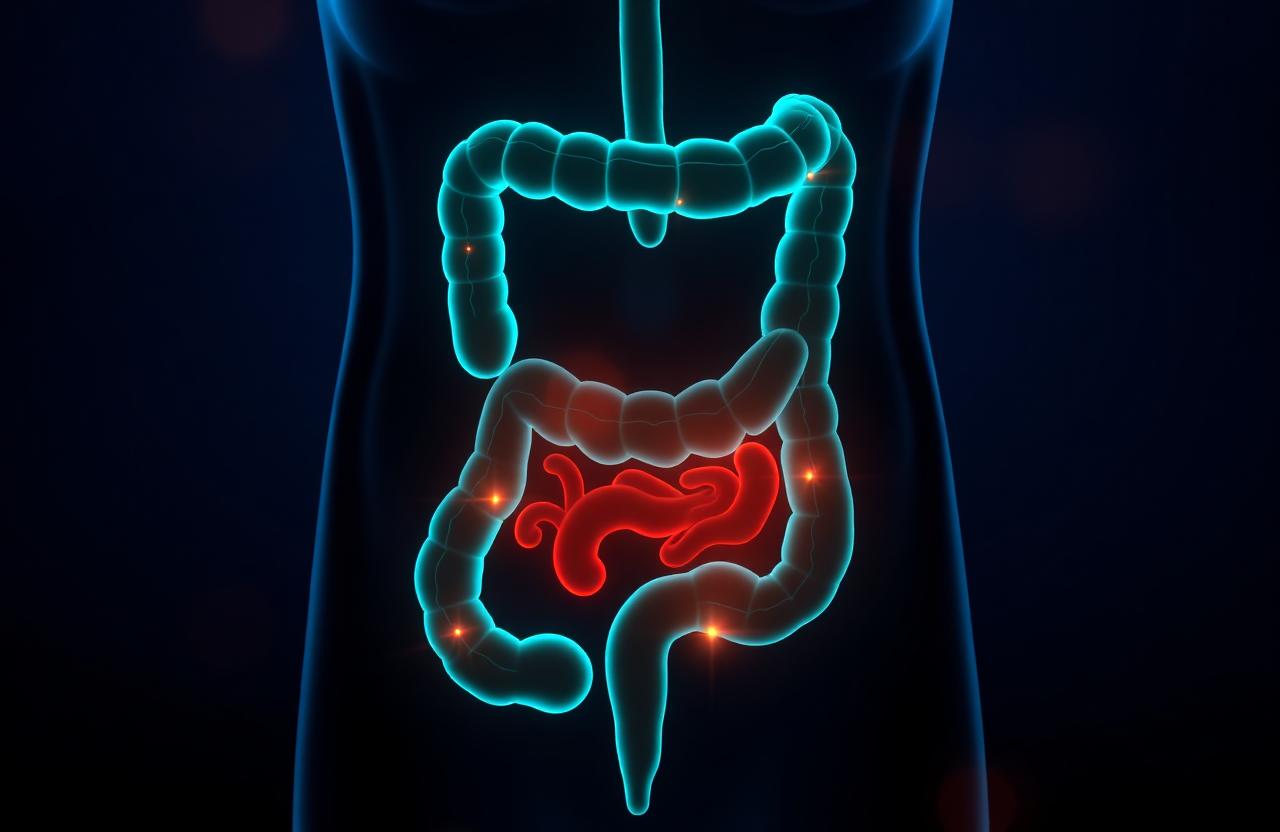
Digestive health underpins energy, immunity and comfort, yet it's usually tracked only from memory.
What AI actually detects
The model looks for structure in stool form and frequency, regularity and transit cues and response to diet and stress, not magic answers.
Why baselines matter
Correlating patterns with diet and stress reveals personal triggers generic advice would miss. Detection should compare you with you, because population averages can miss personal changes.
- Stool form and frequency
- Regularity and transit cues
- Response to diet and stress
“Useful digestive health data is not a single answer — it is a trusted trend, explained clearly enough to act on.”
Explainability makes it usable
Every AI output should show the contributing signals, confidence and time window, especially for prevention-focused users who want to act before problems become obvious.
False alarms and uncertainty
Good detection systems communicate uncertainty instead of pretending every change is definitive.
The goal
The goal is more time to adjust habits while change is still reversible: a better question to ask, a habit to adjust, or a reason to seek advice.