Digestive Health At-Home Testing Guide for Clinicians
A guide to at-home digestive health testing for clinicians, covering passive smart-toilet monitoring, limits and next steps.
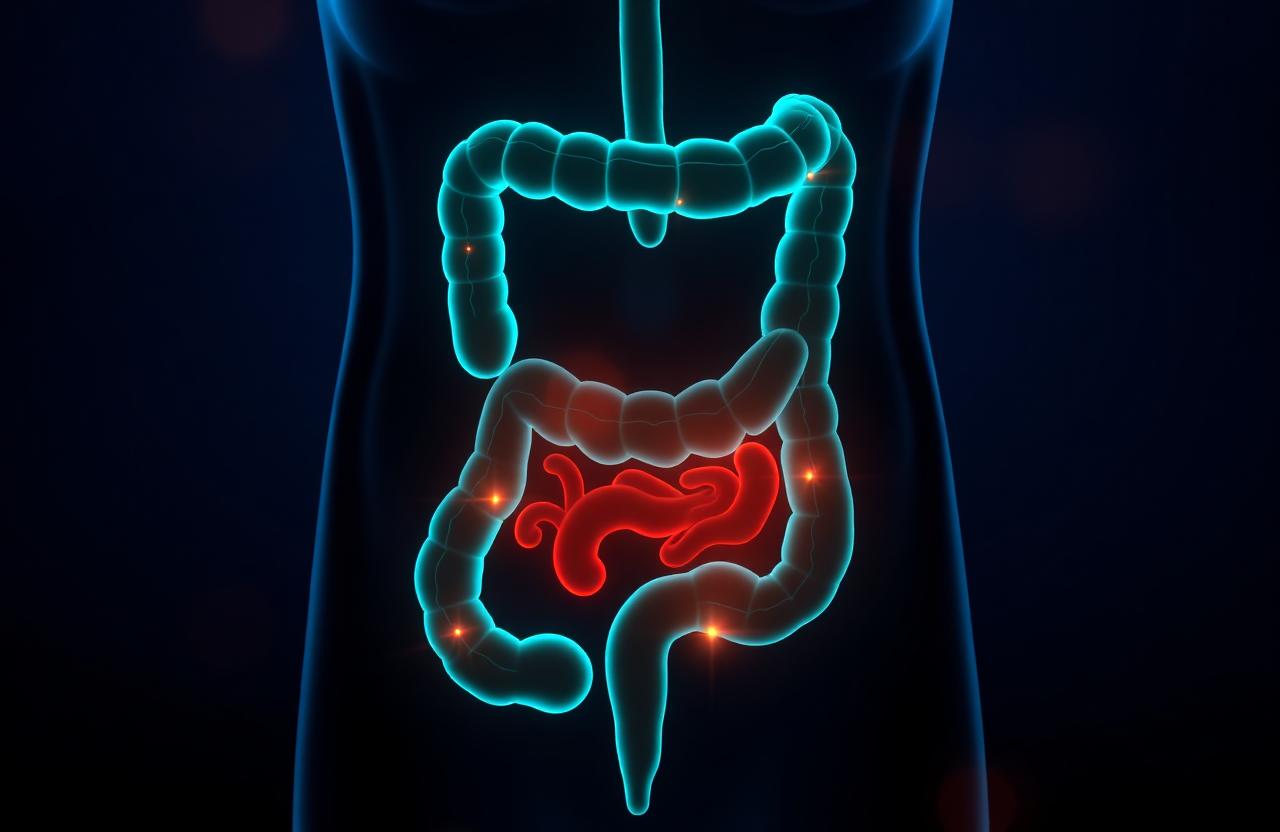
Digestive health underpins energy, immunity and comfort, yet it's usually tracked only from memory.
Testing without a testing ritual
Traditional at-home tests still require kits, timing and follow-through. Smart-toilet monitoring turns digestive health tracking into a background process.
What passive testing can show
Fibre, hydration, movement and stress are the biggest daily levers on digestion. Repeated readings of stool form and frequency and regularity and transit cues reveal direction and consistency.
- Stool form and frequency
- Regularity and transit cues
- Response to diet and stress
“Useful digestive health data is not a single answer — it is a trusted trend, explained clearly enough to act on.”
What it cannot replace
Passive monitoring can guide attention, but it does not replace professional diagnosis, screening or urgent care when symptoms are serious.
How to use the first month
Let the system build a baseline, then watch whether lifestyle changes move response to diet and stress in the expected direction.
Why it suits ${a.label}
For clinicians evaluating passive monitoring data, structured context, evidence trails and clear limits makes passive testing more sustainable than manual tracking.