Digestive Health Causes and Risk Factors for Families
The major causes and risk factors behind changes in digestive health, with a smart-toilet framework for identifying personal patterns.
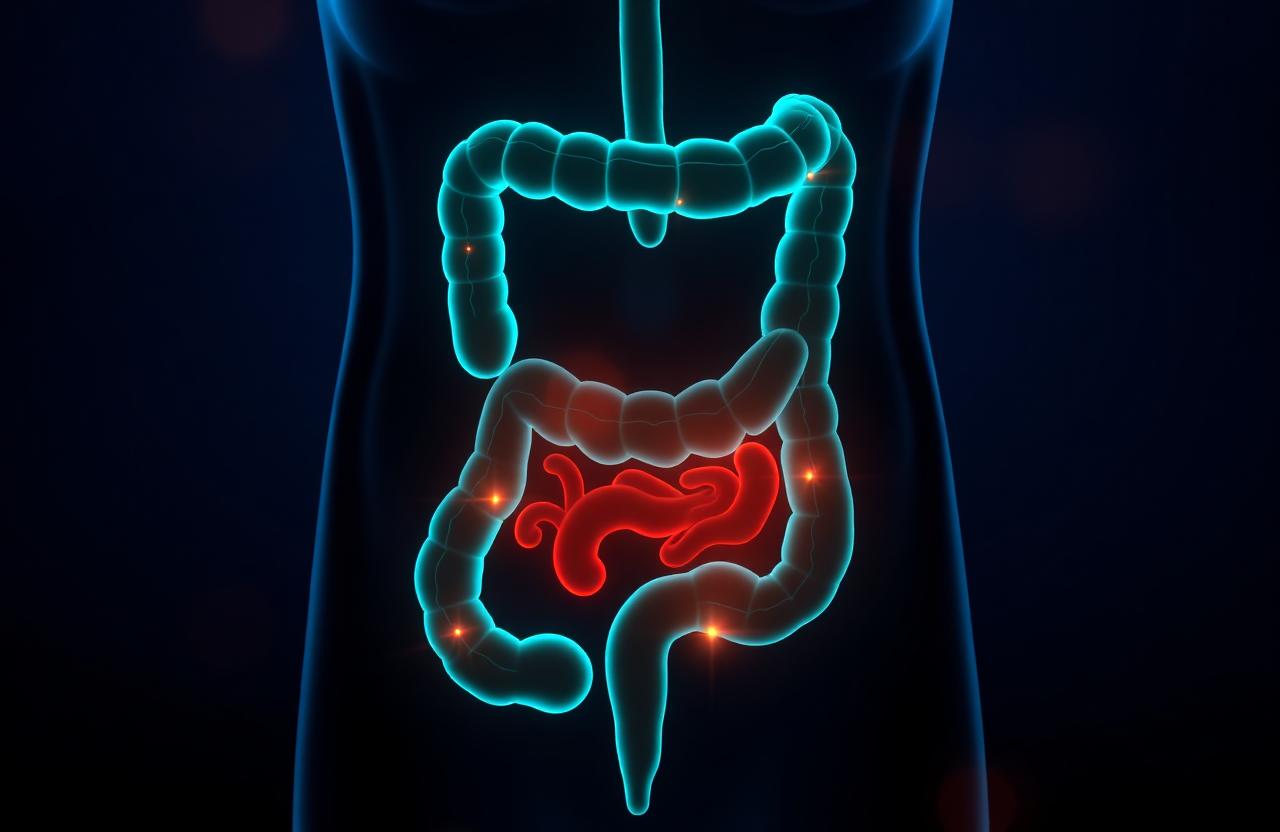
Digestive health underpins energy, immunity and comfort, yet it's usually tracked only from memory.
The usual drivers
Objective stool tracking replaces unreliable symptom diaries with an accurate record. For families coordinating wellness across a household, the drivers are rarely isolated; diet, hydration, sleep, stress and medication interact.
Risk factors you can influence
Many daily levers affect digestive health: hydration, fibre, activity, meal timing and recovery quality are the first places to look.
- Stool form and frequency
- Regularity and transit cues
- Response to diet and stress
“Useful digestive health data is not a single answer — it is a trusted trend, explained clearly enough to act on.”
Why individual response matters
Correlating patterns with diet and stress reveals personal triggers generic advice would miss. Generic risk lists are useful, but personal trends reveal which factors move your data.
How to test a cause
Change one variable at a time and watch stool form and frequency and response to diet and stress for two to four weeks.
The LUXOSMT advantage
A complete passive record gives families better evidence than memory-based tracking.