Digestive Health Long-Term Trend Guide for Clinicians
Why long-term trends in digestive health matter, how to read them and how smart toilets make them visible.
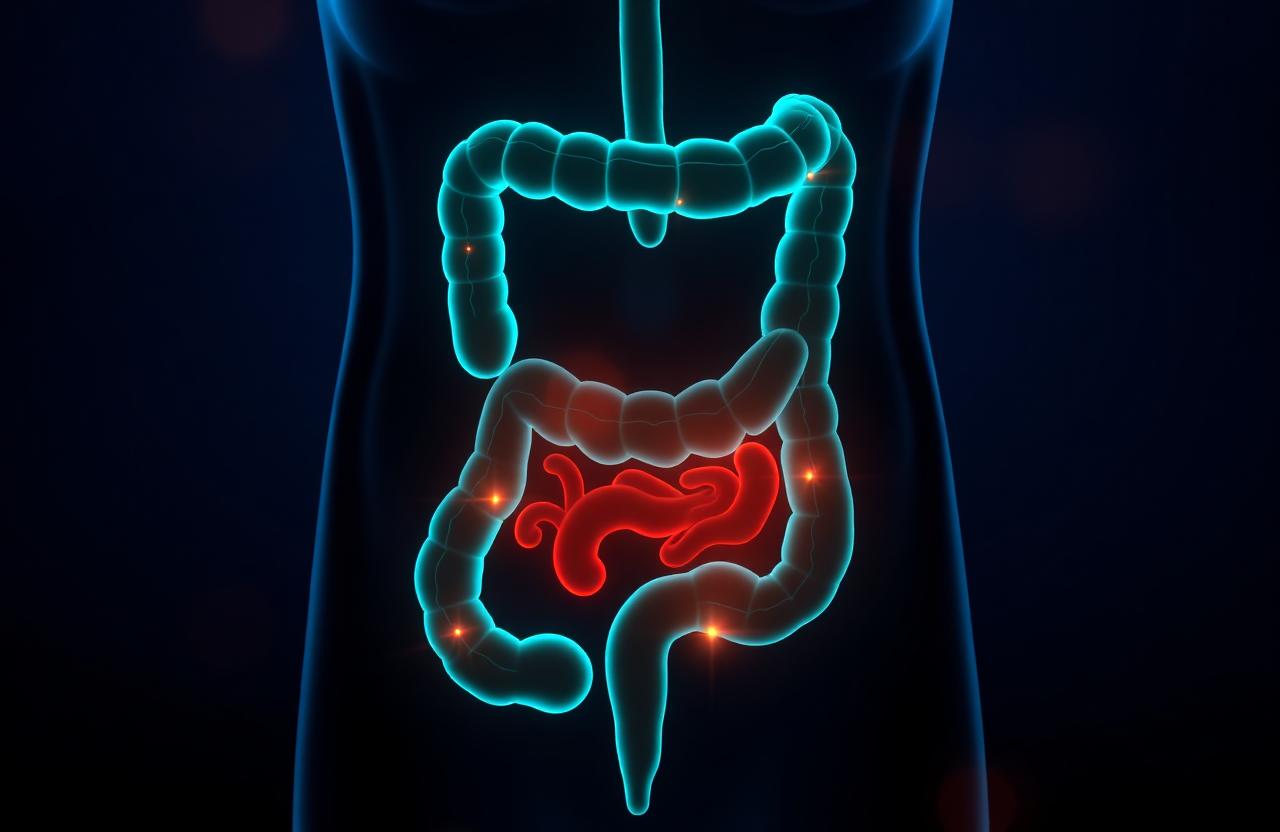
Digestive health underpins energy, immunity and comfort, yet it's usually tracked only from memory.
Why long-term beats one-time
One-off readings are noisy. Long-term trends show whether digestive health is stable, improving or drifting.
What to compare
Compare against your baseline first, then against meaningful events such as travel, illness, diet changes or training blocks.
- Stool form and frequency
- Regularity and transit cues
- Response to diet and stress
“Useful digestive health data is not a single answer — it is a trusted trend, explained clearly enough to act on.”
Slow drift is the point
Bloating, irregularity and food-related discomfort are common but non-specific, so trends matter more than single days. The most valuable changes are often the ones too gradual to notice day by day.
How explanations help
A trend is only useful when the system explains what moved, why it may matter and what context shaped it.
What ${a.label} gains
The practical gain is faster conversations grounded in objective trends.