IBS At-Home Testing Guide for Home Health
A guide to at-home IBS testing for home health, covering passive smart-toilet monitoring, limits and next steps.
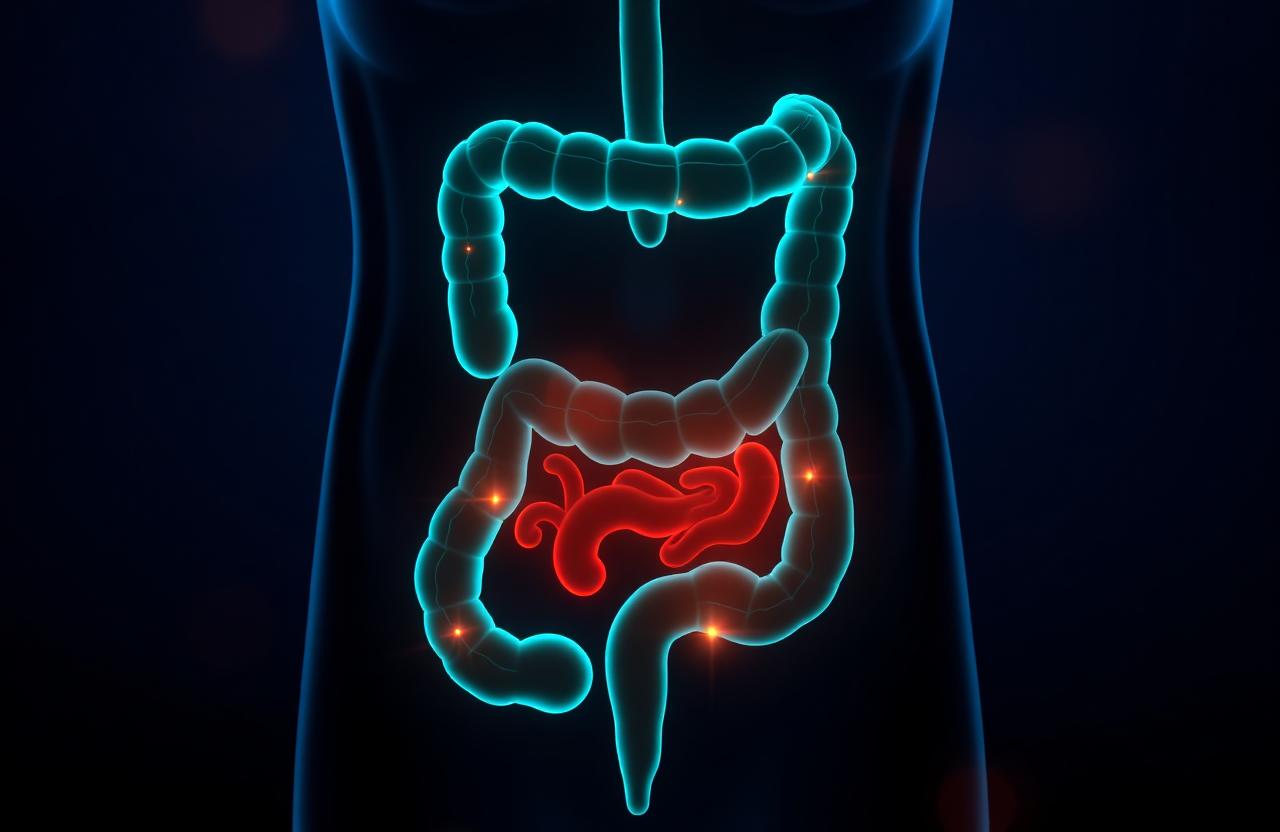
IBS is defined by patterns of stool form, frequency and triggers — exactly what passive data captures.
Testing without a testing ritual
Traditional at-home tests still require kits, timing and follow-through. Smart-toilet monitoring turns IBS tracking into a background process.
What passive testing can show
Symptom diaries are burdensome and unreliable, which passive tracking fixes. Repeated readings of stool form and frequency and trigger correlation with diet and stress reveal direction and consistency.
- Stool form and frequency
- Trigger correlation with diet and stress
- Pattern stability over time
“Useful IBS data is not a single answer — it is a trusted trend, explained clearly enough to act on.”
What it cannot replace
Passive monitoring can guide attention, but it does not replace professional diagnosis, screening or urgent care when symptoms are serious.
How to use the first month
Let the system build a baseline, then watch whether lifestyle changes move pattern stability over time in the expected direction.
Why it suits ${a.label}
For people building a reliable health record at home, low-friction daily feedback without appointments or manual logs makes passive testing more sustainable than manual tracking.