IBS Causes and Risk Factors for Athletes
The major causes and risk factors behind changes in IBS, with a smart-toilet framework for identifying personal patterns.
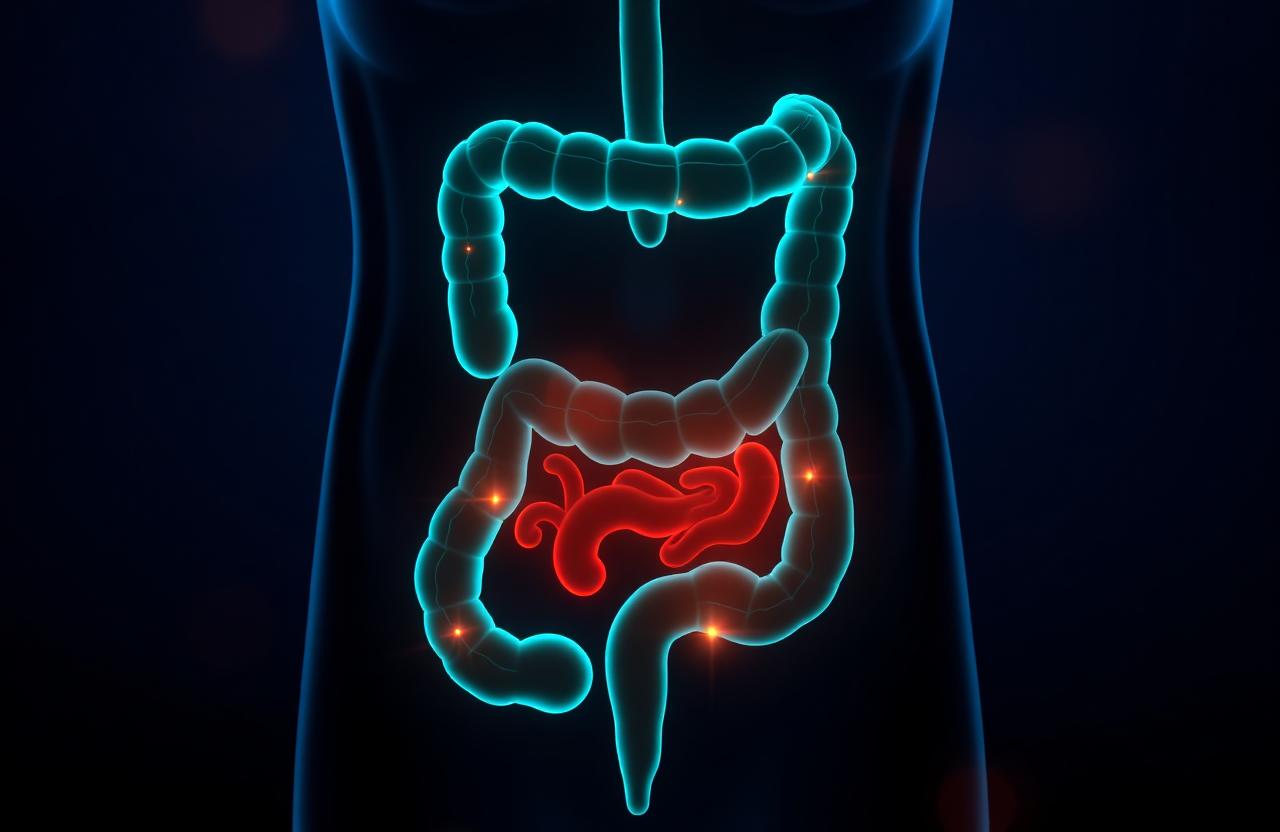
IBS is defined by patterns of stool form, frequency and triggers — exactly what passive data captures.
The usual drivers
Correlating diet, stress and sleep with symptoms reveals hidden triggers. For athletes and coaches protecting performance and recovery, the drivers are rarely isolated; diet, hydration, sleep, stress and medication interact.
Risk factors you can influence
Many daily levers affect IBS: hydration, fibre, activity, meal timing and recovery quality are the first places to look.
- Stool form and frequency
- Trigger correlation with diet and stress
- Pattern stability over time
“Useful IBS data is not a single answer — it is a trusted trend, explained clearly enough to act on.”
Why individual response matters
Seeing patterns replaces anxiety with a plan you can discuss with a clinician. Generic risk lists are useful, but personal trends reveal which factors move your data.
How to test a cause
Change one variable at a time and watch stool form and frequency and pattern stability over time for two to four weeks.
The LUXOSMT advantage
A complete passive record gives athletes better evidence than memory-based tracking.