IBS Normal vs Abnormal for Home Health
What normal versus abnormal can mean for IBS, and why personal baselines matter more than generic ranges.
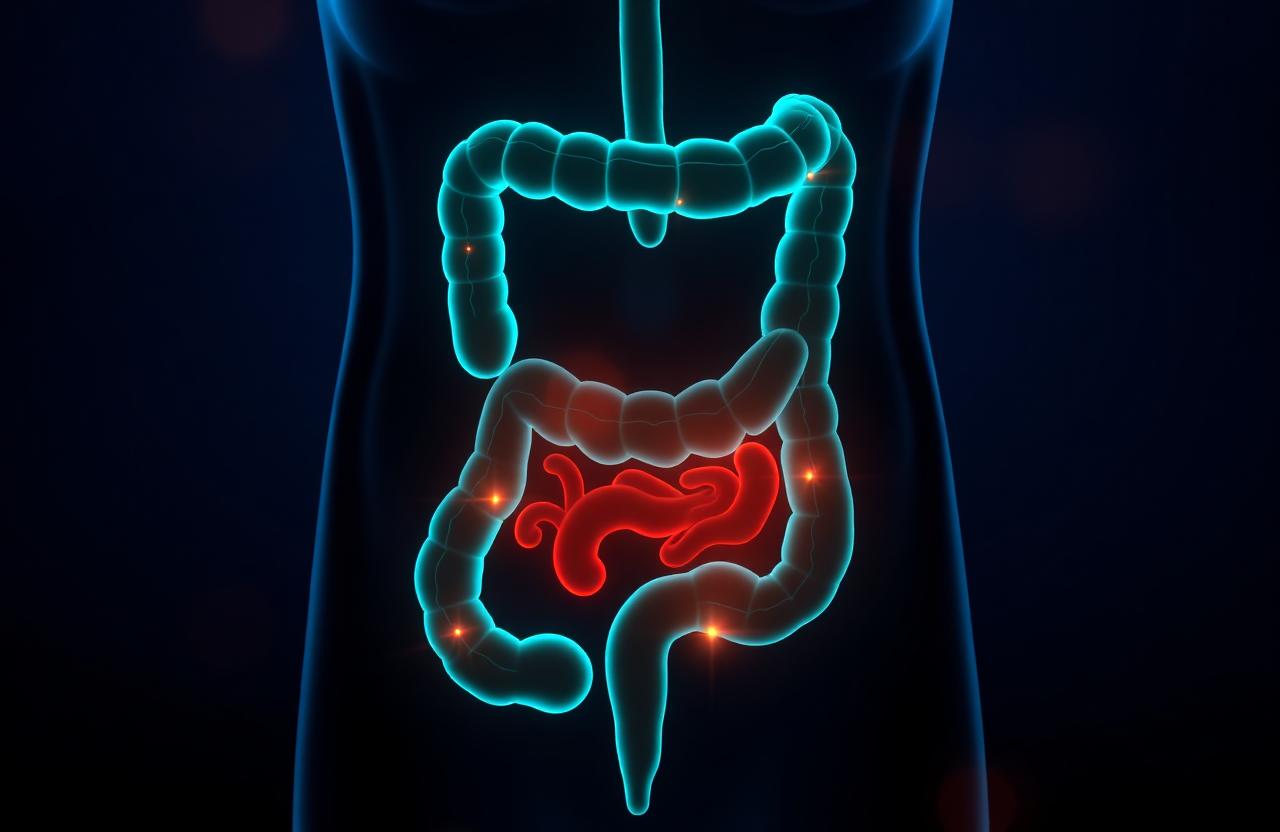
IBS is defined by patterns of stool form, frequency and triggers — exactly what passive data captures.
Normal is personal
IBS is defined by patterns of stool form, frequency and triggers — exactly what passive data captures. A normal range is most useful when it is learned from your own repeated pattern.
What counts as abnormal
A single unusual day is often less important than a sustained shift in stool form and frequency or trigger correlation with diet and stress.
- Stool form and frequency
- Trigger correlation with diet and stress
- Pattern stability over time
“Useful IBS data is not a single answer — it is a trusted trend, explained clearly enough to act on.”
Context changes everything
Correlating diet, stress and sleep with symptoms reveals hidden triggers. Travel, illness, stress, alcohol, heat and medication can all change the reading.
How LUXOSMT frames it
The system explains why a trend is being highlighted rather than labelling users with simplistic red or green verdicts.
When to act
For people building a reliable health record at home, abnormal means persistent, unexplained and relevant enough to discuss with a professional.