Digestive HealthSeptember 25, 2026 7 min read
IBS Prevention and Everyday Tips
Practical, everyday steps to protect IBS — and how to confirm they're working.
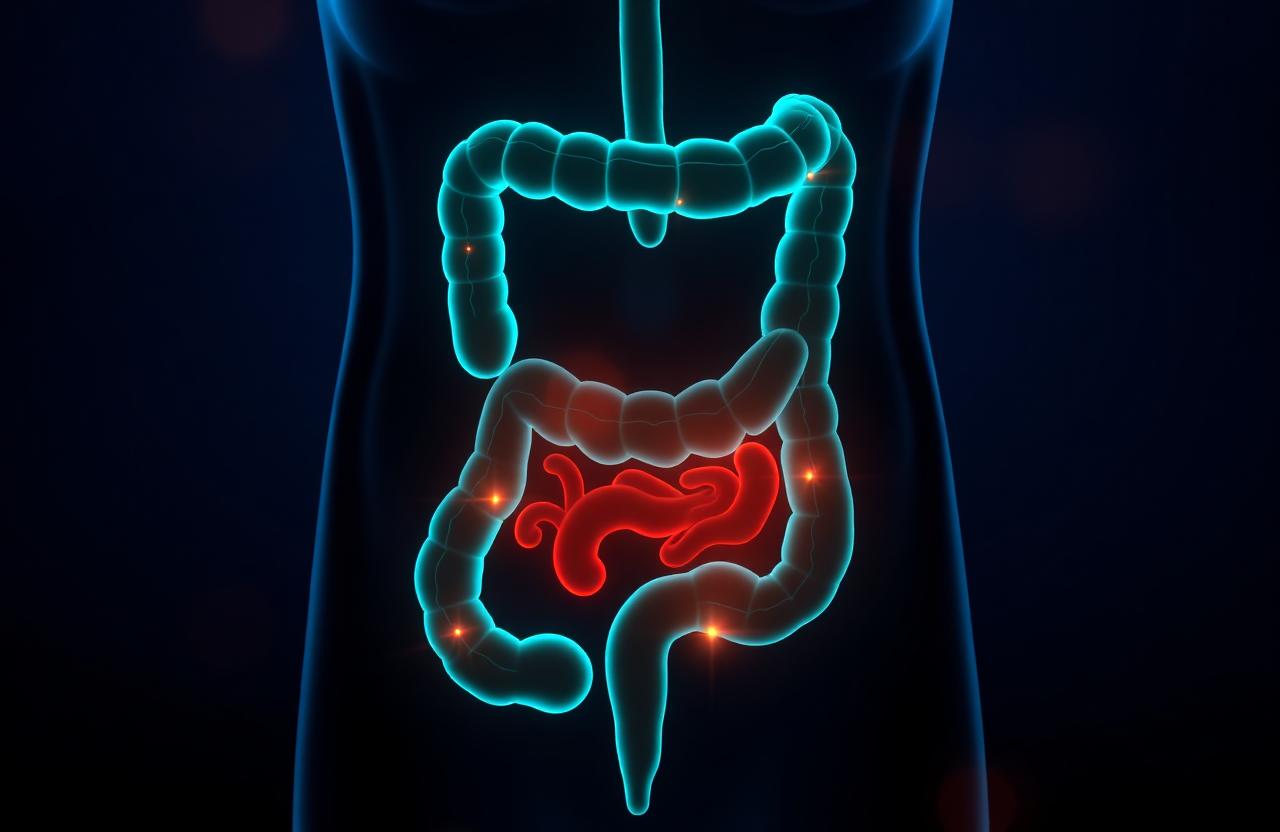
IBS is defined by patterns of stool form, frequency and triggers — exactly what passive data captures.
The high-leverage habits
IBS management depends on identifying personal triggers and patterns. Hydration, fibre, movement, sleep and stress management do most of the work for IBS.
0
diaries to keep
Daily
objective record
Trigger
correlation
Evidence
for clinicians
Confirm it's working
The point of monitoring is feedback: tracking stool form and frequency shows whether a habit is actually shifting your trend.
- Stool form and frequency
- Trigger correlation with diet and stress
- Pattern stability over time
“The test you take every day beats the perfect test you take once a year.”
Consistency compounds
Seeing patterns replaces anxiety with a plan you can discuss with a clinician. Small daily wins, verified by data, add up over months.