Digestive HealthMay 13, 2026 7 min read
IBS What the 2026 Research Says
A grounded look at where the science on IBS and smart monitoring stands in 2026.
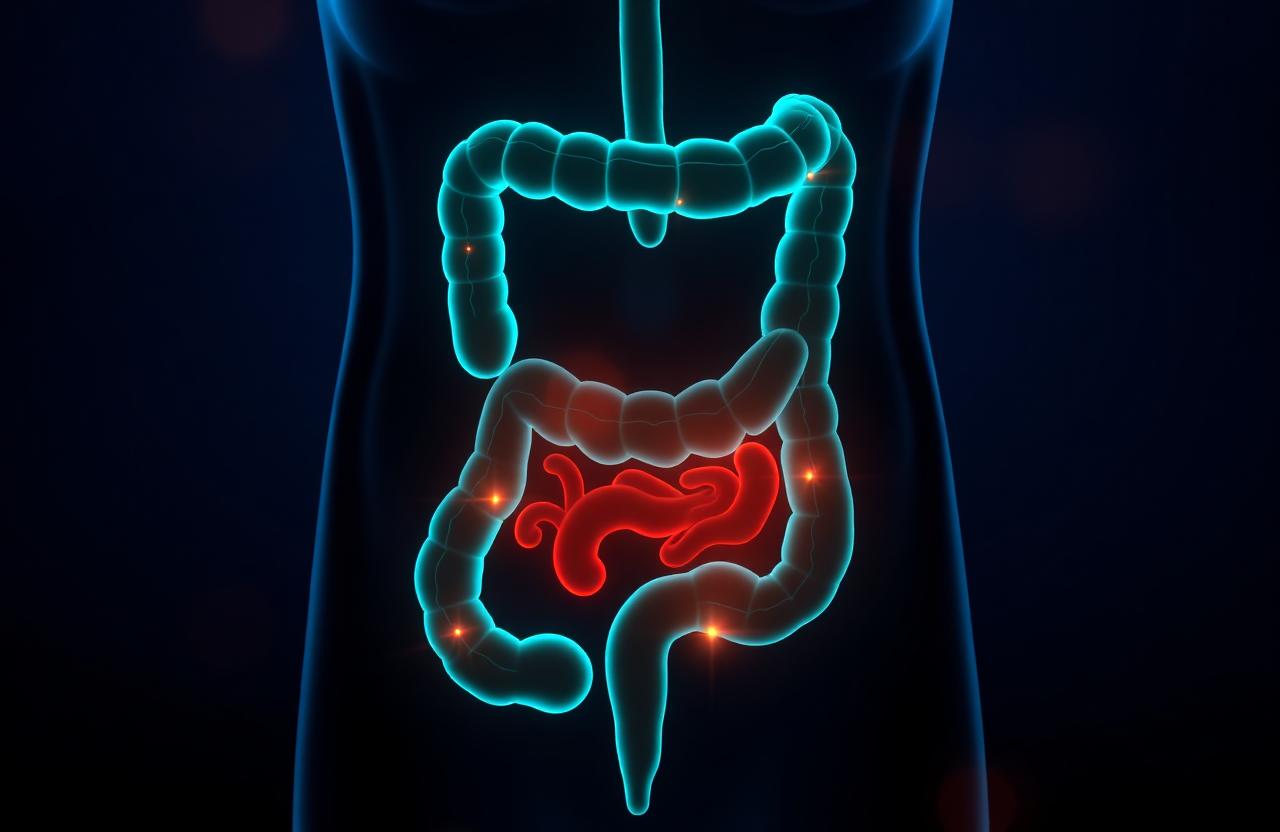
IBS is defined by patterns of stool form, frequency and triggers — exactly what passive data captures.
The state of the science
IBS management depends on identifying personal triggers and patterns. Research increasingly points to continuous, personalised data as the key to acting early on IBS.
0
diaries to keep
Daily
objective record
Trigger
correlation
Evidence
for clinicians
What's still emerging
Correlating diet, stress and sleep with symptoms reveals hidden triggers. Smart-toilet sensing of stool form and frequency is an active area — promising, and improving quickly.
- Stool form and frequency
- Trigger correlation with diet and stress
- Pattern stability over time
“The test you take every day beats the perfect test you take once a year.”
Reading claims critically
Treat bold claims about IBS with healthy skepticism, and let your own trend be the tie-breaker.