Digestive HealthFebruary 13, 2026 6 min read
IBS Smart Toilet vs Lab Tests
Smart-toilet monitoring versus traditional lab tests for IBS: frequency, friction and where each wins.
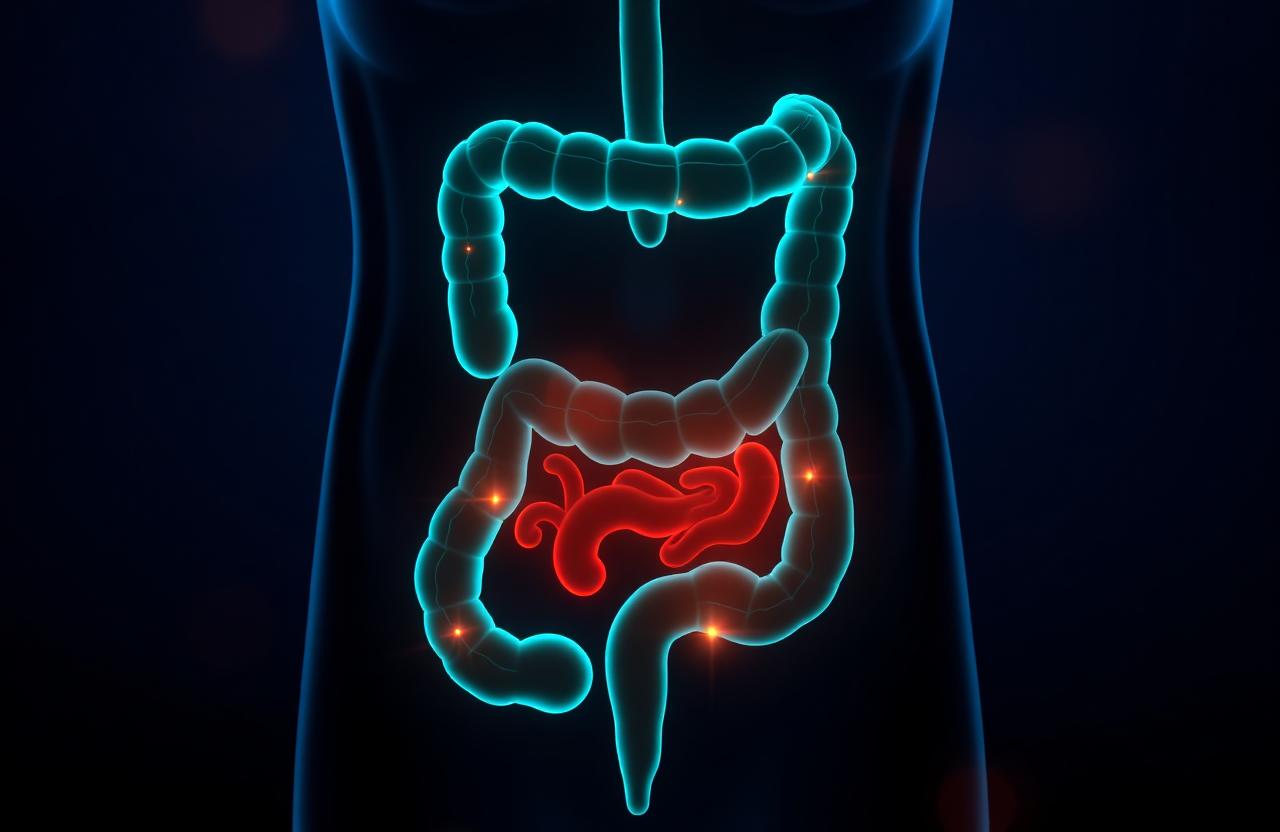
IBS is defined by patterns of stool form, frequency and triggers — exactly what passive data captures.
The frequency gap
Lab tests deliver a precise snapshot occasionally; passive monitoring delivers a continuous trend. Seeing patterns replaces anxiety with a plan you can discuss with a clinician.
0
diaries to keep
Daily
objective record
Trigger
correlation
Evidence
for clinicians
Complement, not replacement
Smart-toilet data on stool form and frequency and pattern stability over time is best used to decide when a lab test is worth booking — and to give it context afterwards.
- Stool form and frequency
- Trigger correlation with diet and stress
- Pattern stability over time
“The test you take every day beats the perfect test you take once a year.”
Friction is the differentiator
IBS management depends on identifying personal triggers and patterns. The test you actually take every day beats the perfect test you take once a year.