Kidney Health Best Monitoring Guide for Preventive Health
The best way for preventive health to monitor kidney health: what to track, what matters and how smart AI toilet data creates useful trends.
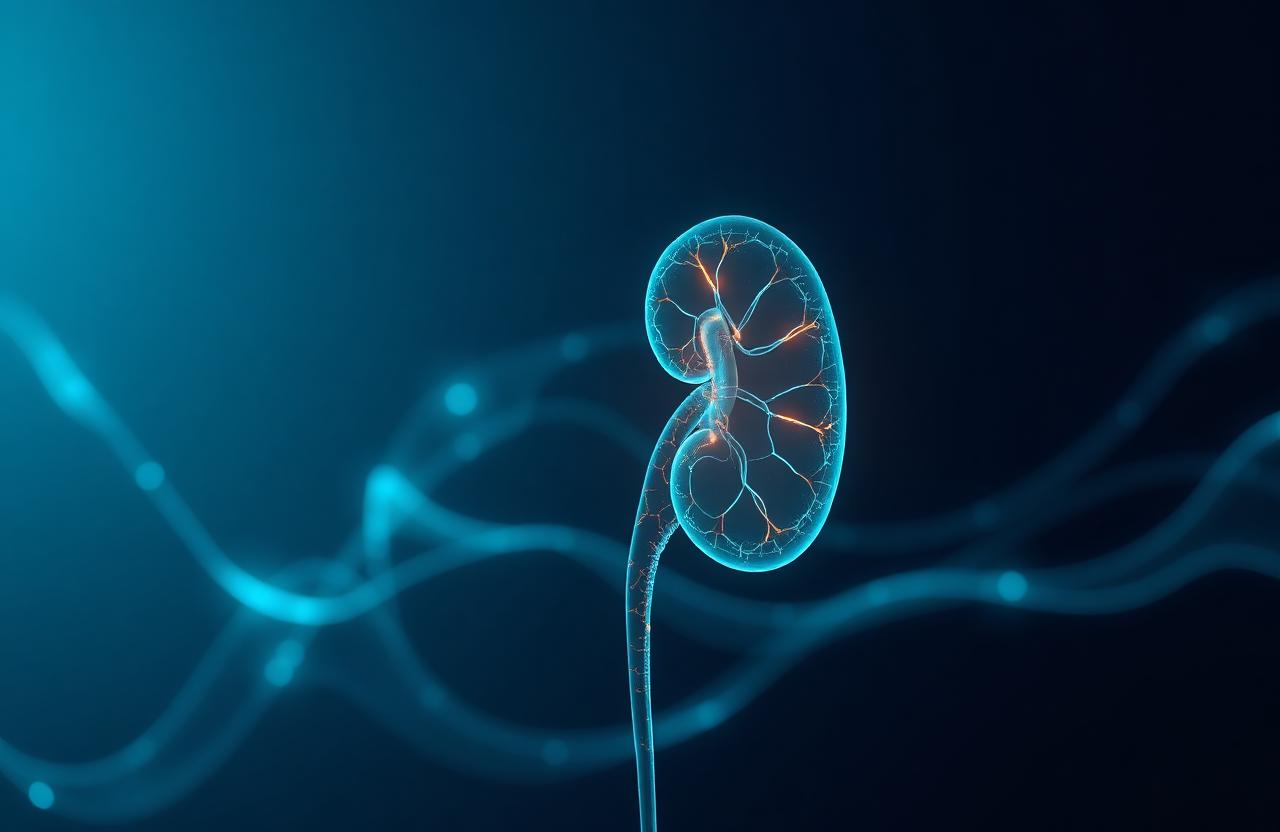
Kidneys quietly filter your blood every minute, and early changes rarely produce obvious symptoms.
What best-in-class monitoring means
Kidneys quietly filter your blood every minute, and early changes rarely produce obvious symptoms. For prevention-focused users who want to act before problems become obvious, the best monitoring system is the one that captures useful signals without adding friction.
The signals to prioritise
Start with protein-related urinary cues, hydration and concentration trends and voiding pattern changes over weeks. Protein in the urine can be an early flag worth discussing with a clinician.
- Protein-related urinary cues
- Hydration and concentration trends
- Voiding pattern changes over weeks
“Useful kidney health data is not a single answer — it is a trusted trend, explained clearly enough to act on.”
Why passive beats occasional
Stone risk rises with concentrated urine and certain dietary patterns. early signals, personal baselines and practical next steps is exactly where a smart AI toilet becomes valuable.
How to interpret the trend
Look for sustained movement away from your baseline, not one strange day. That turns kidney health into more time to adjust habits while change is still reversible.
Where LUXOSMT fits
LUXOSMT combines calibrated capture, explainable AI and privacy-first reporting so kidney health data is useful rather than overwhelming.