Smart Toilet Health Monitoring: The Complete 2026 Guide
What a health-monitoring smart toilet actually measures, how the AI works, what it costs, and how to choose one — the definitive guide to the category.
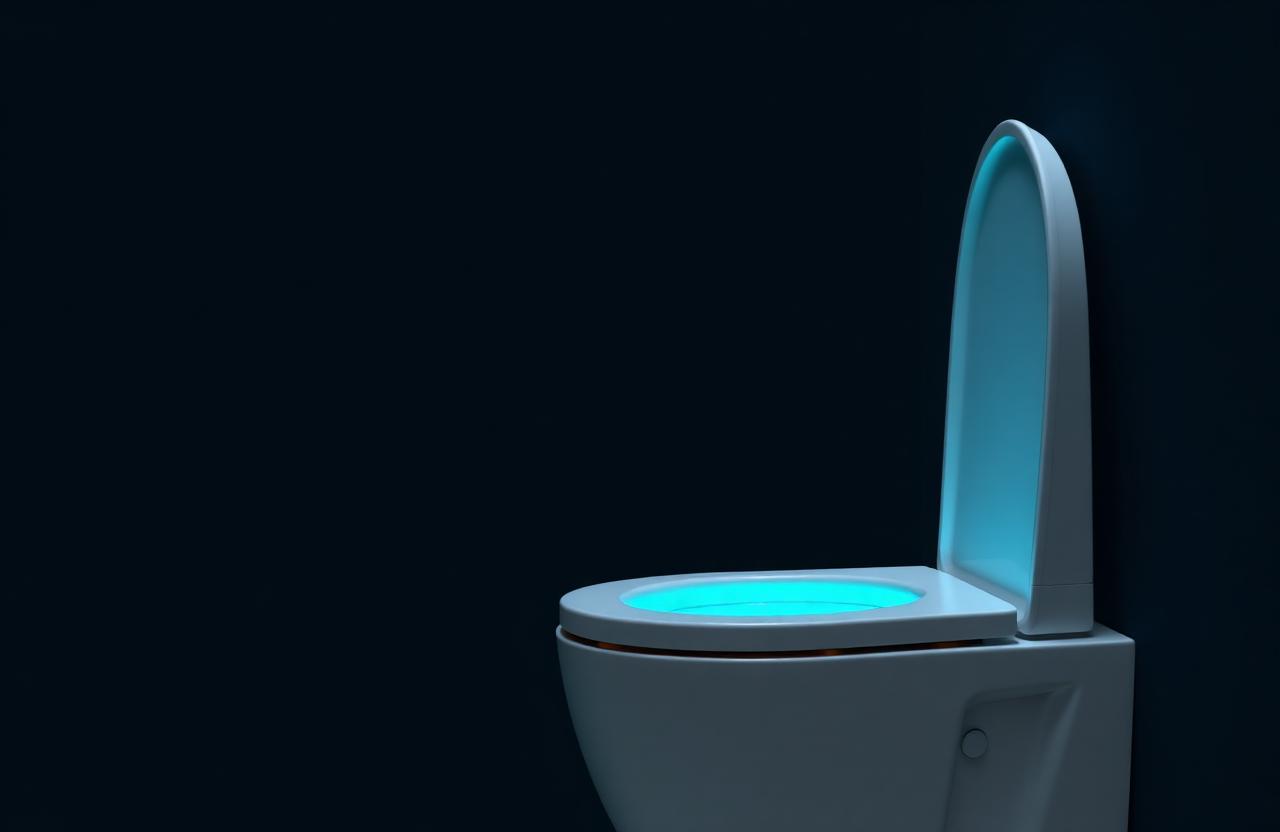
A health-monitoring smart toilet turns the one fixture you already use every day into a passive diagnostic instrument. This guide explains what it measures, how the AI reasons, and how to evaluate the category before you buy.
What a health-monitoring toilet actually measures
Modern smart toilets combine calibrated optical sensors, micro-spectroscopy and electrochemical sensing to read stool form and colour, urine chemistry, hydration, and flow — passively, with no logging, strips or appointments. The value is not a single reading but a continuous trend built from hundreds of daily samples.
How the AI turns waste into insight
Computer-vision and signal models classify each event against clinical scales, build a personal baseline, and flag deviations from your own norm rather than a population average. Explainable AI attaches the evidence and a plain-language rationale to every insight so you and your clinician can audit it.
- Sensor breadth: stool, urine, hydration, flow
- Explainable insights with audit trails
- Privacy-first, on-device processing
- Transparent subscription pricing
- Secure, revocable clinician sharing
“The bathroom is the only clinic you visit every day. The opportunity was never data collection — it was consistent, objective measurement.”
How to choose one
Weigh sensor breadth, explainability, privacy architecture, subscription cost and clinician-sharing options. A device that ships a lone score with no reasoning is a black box; a device that shows its work is a health partner.